
Beyond A Wall
Exploring Environmental Graphic Design beyond traditional wall graphics. Case Study: Indian Music Experience Museum, Bengaluru
Spatial branding is often associated with logos, typography, and branded wall graphics. However, Environmental Graphic Design (E.G.D.) can play a much larger role in shaping how people experience, navigate, and connect with a space.
The Indian Music Experience Museum, Bengaluru, is a useful case study for exploring how E.G.D. can become part of the storytelling itself.
Below are some experiential approaches that can engage users, communicate a narrative, and create memorable moments within a space.
1. Audio-Visual Walls
Projected screens or dedicated gallery spaces that use curated video and sound to introduce a theme, provide context, or establish the mood of an experience. These are typically short, focused experiences of around 3–4 minutes.
2. Immersive Experiences
360-degree audio-visual installations that surround users with sound, visuals, and storytelling. These create a pause within the journey and allow visitors to engage with the narrative for a longer duration, typically 5–10 minutes.
3. 3D Art Walls & Typography
Three-dimensional artworks, objects, lettering, or typographic installations that provide visual and contextual cues. They can communicate a theme while also becoming focal points within the space.
4. Vinyl Super Graphics & Wall Murals
Large-scale graphics that help define the character of a space or micro-zone.
Super graphics can feature illustrations, patterns, information, or quotes that reinforce the narrative. Wall murals can function as large-scale artworks, creating visual moments and points of focus within the experience.

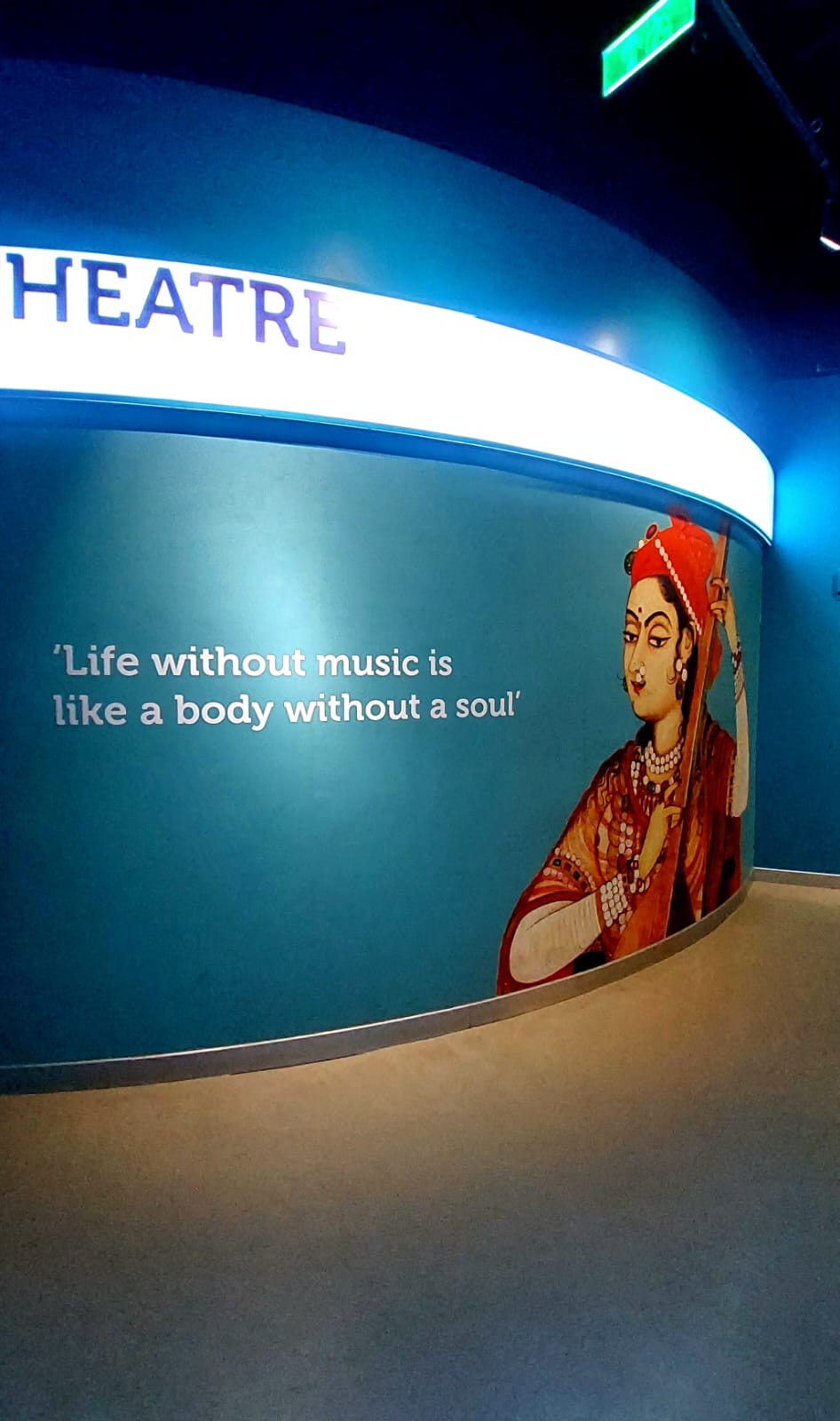

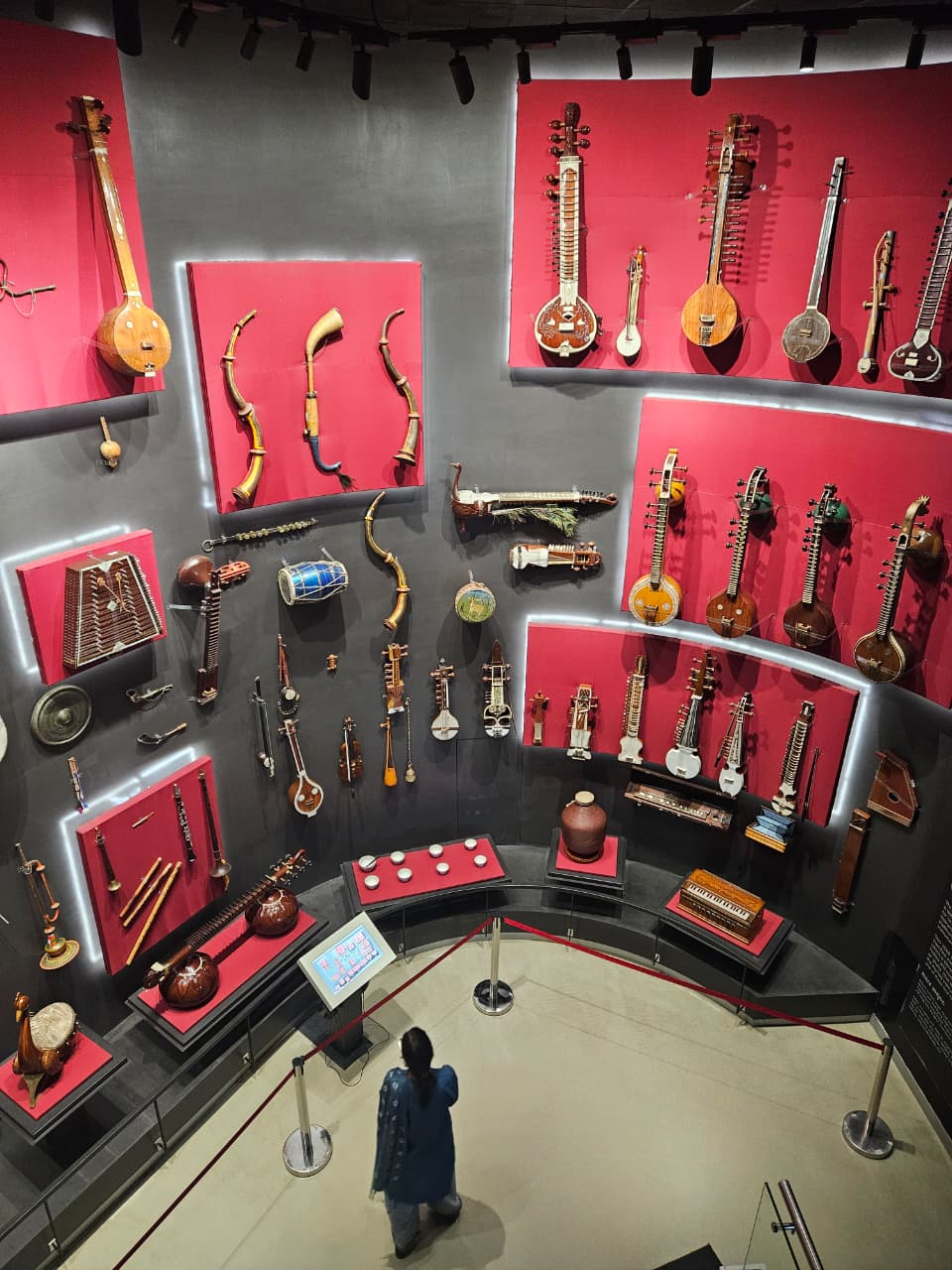
5.Prop Walls
Displays that incorporate real objects, artefacts, instruments, or other physical props relevant to the story. These add a tangible layer to the experience and help visitors connect the narrative with real-world objects.
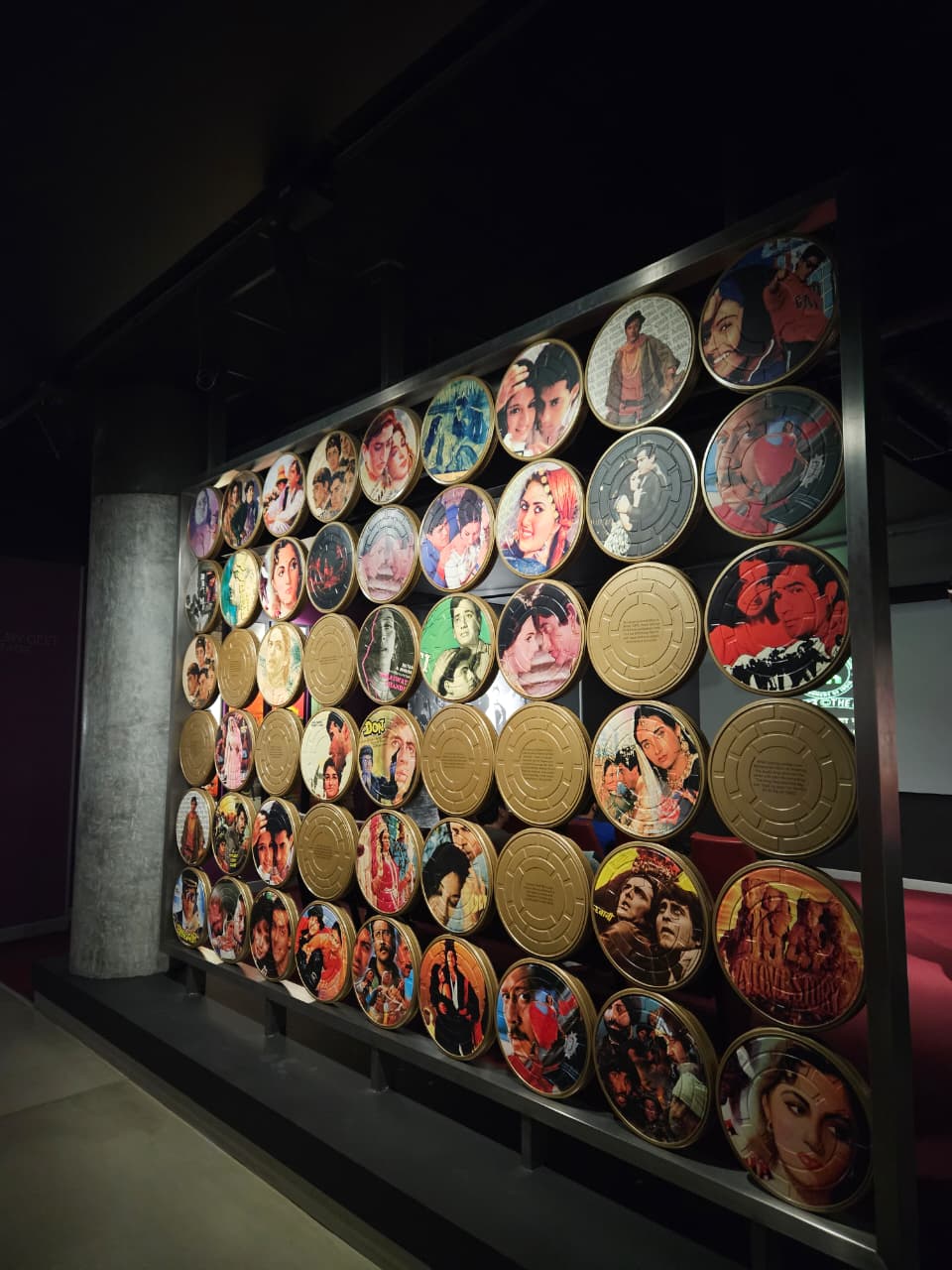
6.Gallery Walls
Curated displays of photographs, posters, portraits, archival material, or other imagery. These can document people, places, events, or cultural moments connected to the overall narrative.
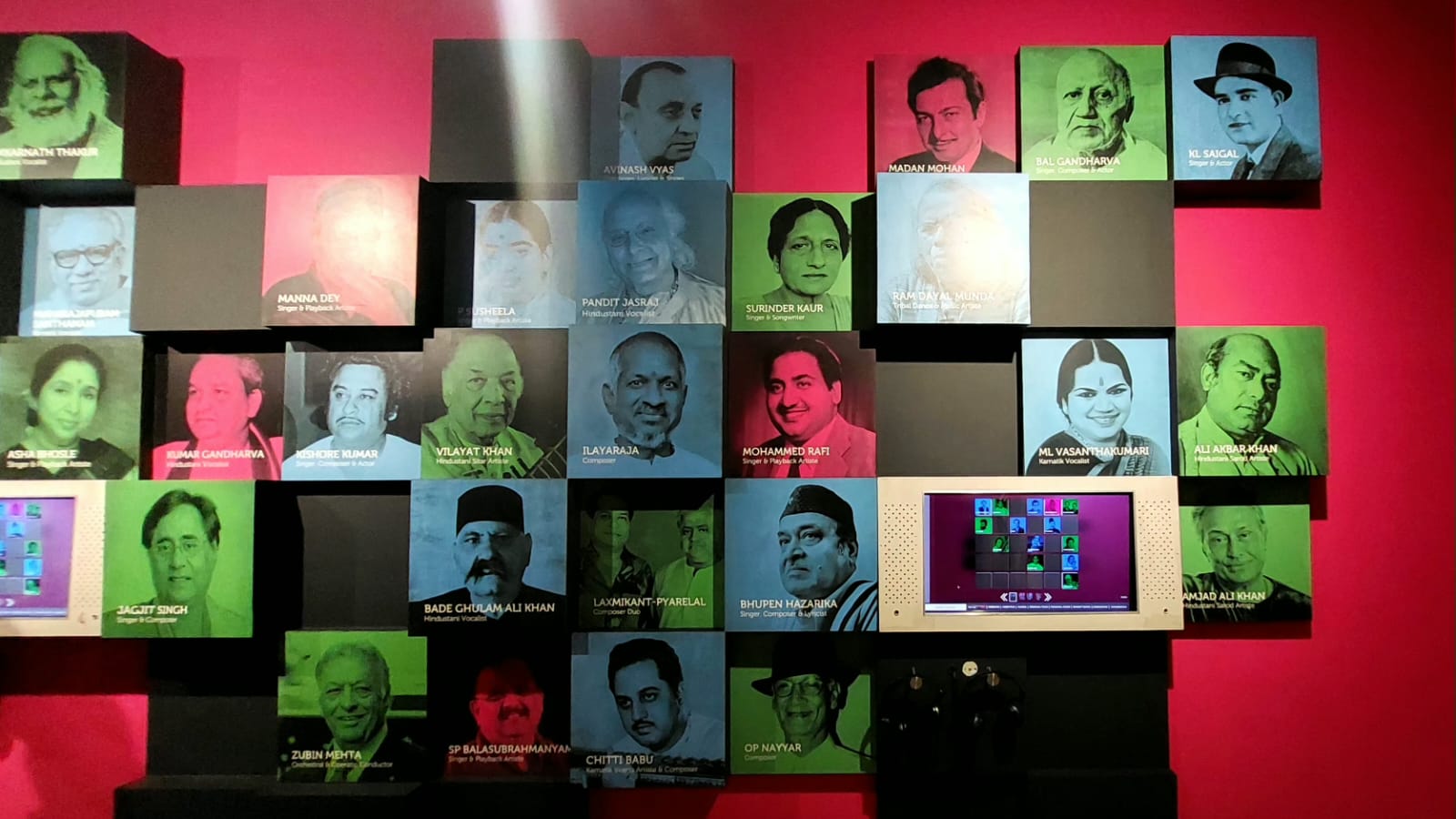
5.Legacy Walls
Information-rich installations that highlight people, events, or milestones that have shaped the story being told. These walls provide deeper context and celebrate the legacy behind the experience.
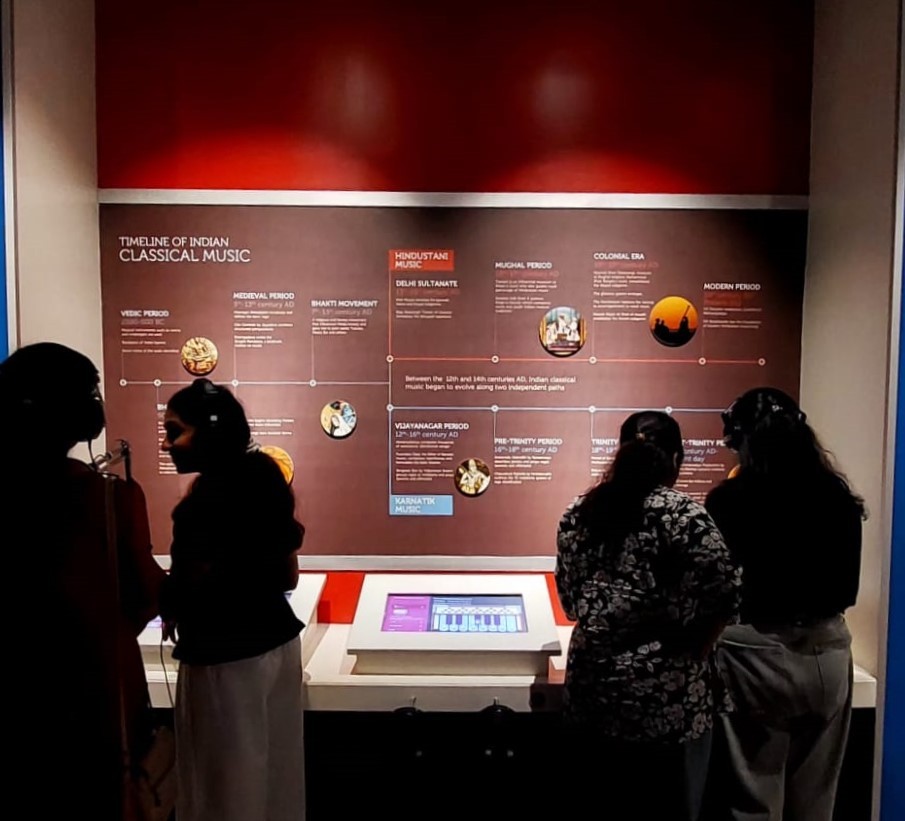
6.Time-Line Walls
Infographic-led installations that present events, people, or developments chronologically. They help users understand how a story, movement, or culture has evolved over time.
7.Engagement Walls
Interactive installations that encourage visitors to participate rather than simply observe. These could include movable elements, tactile components, game walls, interactive graphics, or spaces for doodling and contribution.
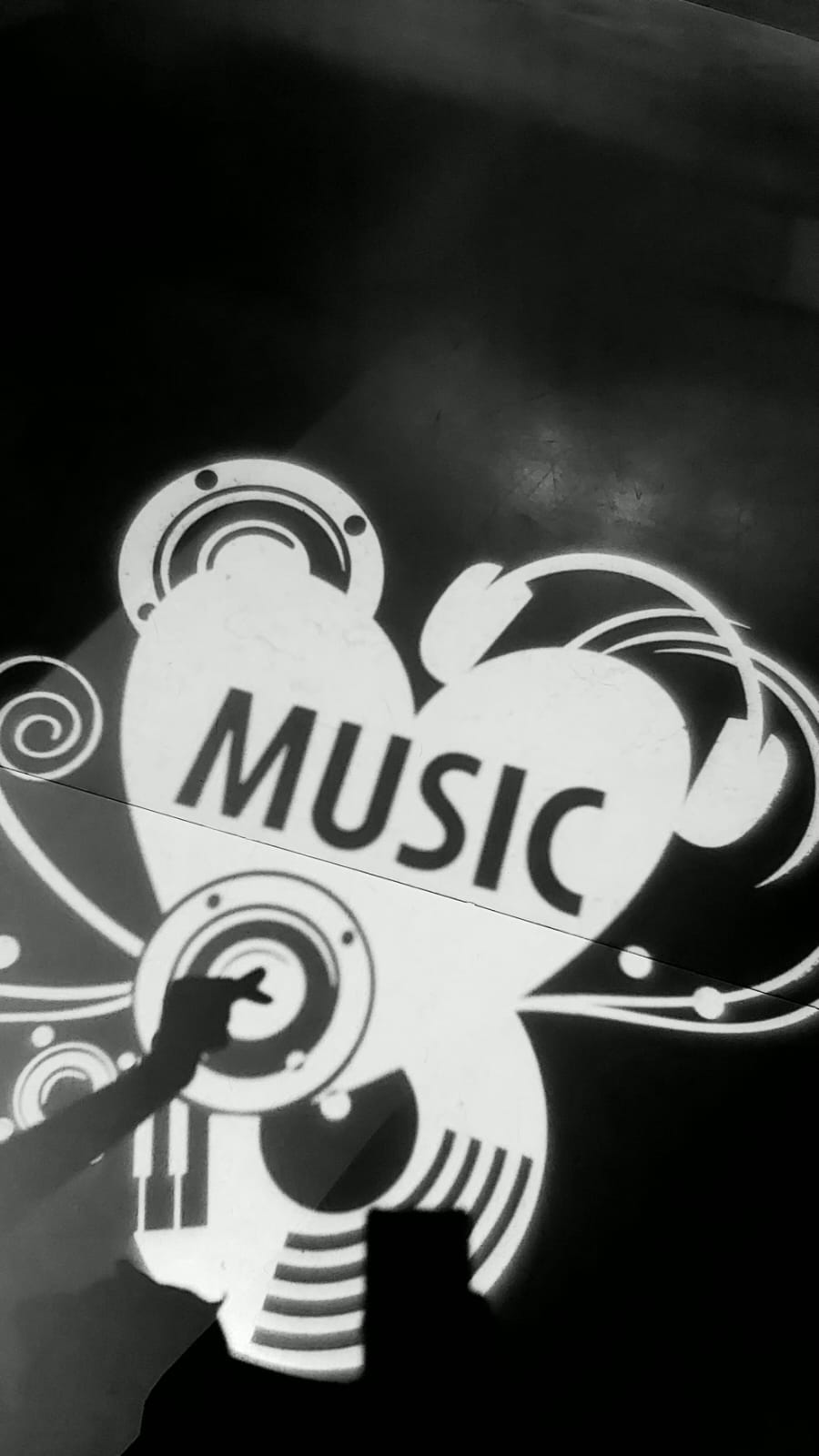
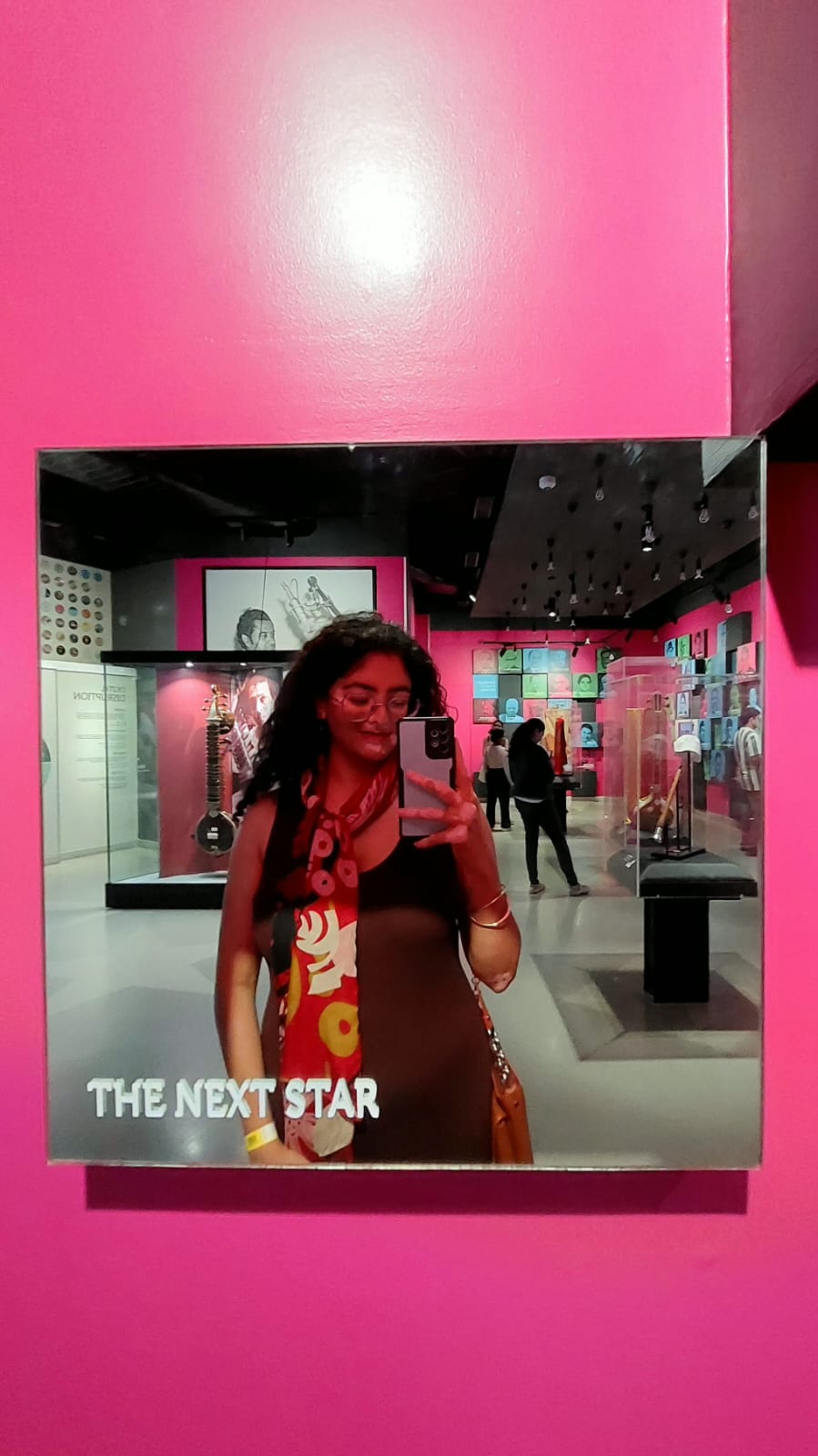
8.Photo Ops
Designed moments that encourage visitors to pause, interact, and capture the experience. These can take many forms from a creative pathway or play of light and shadow to a sculptural ceiling installation or an unexpected spatial intervention.

These elements go beyond simply decorating a wall. They use E.G.D. as a tool to build a narrative, shape movement, create moments of interaction, and make a space memorable. The opportunity lies in designing the experience, not just the surface.